

Emergency Gear Every Forager Should Carry
What every forager should bring into the woods with them in case of emergency
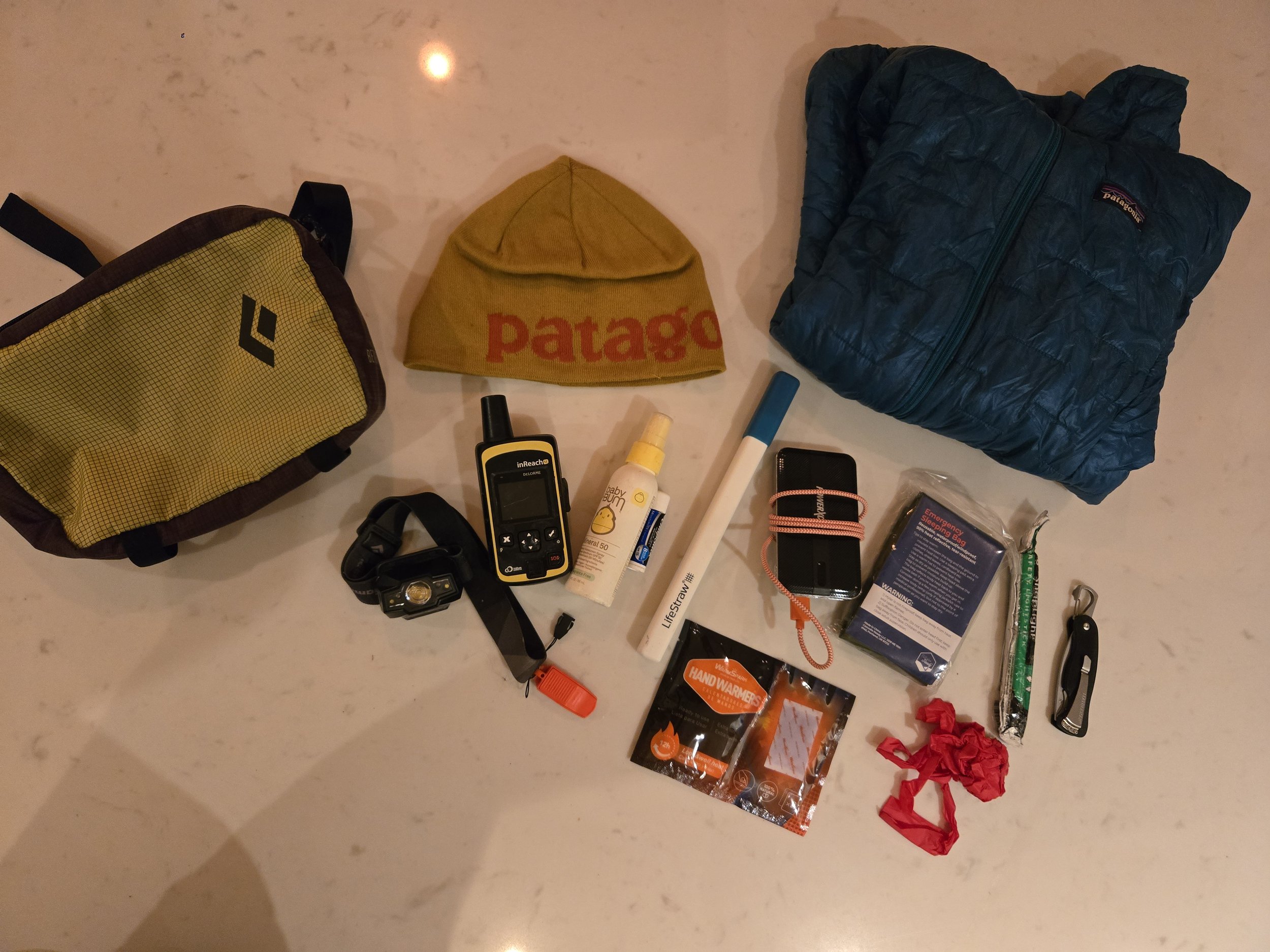
We were joined by Marin Search and Rescue for a special class on emergency preparedness. Here’s their must-have list of what all foragers should have on them anytime they go into the woods:
Headlamp
Lifestraw (or water purification tabs)
Beanie
Whistle
Emergency waterproof bag
Garmin InReach
Sunscreen
Chapstick
Flagging tape
Insulated layer
Power bank with charger cord that fits
headlamp & phone
Knife
Glowstick
Hand warmers
Also recommended by other folks on the call, these mapping apps, which track you, whether or not you have reception:
Avenza
Onyx
AllTrails
Gaia
Some of them require a paid subscription to be able to download the apps. With any apps like these, it's best to practice using them BEFORE you get to the wilderness so you know what to expect.
In response to the recent mushroom poisonings in the news - what you need to know
We were very saddened to hear the news about the recent hospitalizations near Salinas due to Amanita phalloides (Death Cap) ingestion. Our thoughts are with those affected. (Please note, this was NOT related to one of our classes.)
The media often jumps on opportunities to heighten mycophobia (fear of mushrooms), and this case is no different. However, the existence of Amanita phalloides is not new information. There is not reason to be more concerned now than before. The best thing to do is to empower yourself with knowledge.
We were very saddened to hear the news about the recent hospitalizations near Salinas due to Amanita phalloides (Death Cap) ingestion. Our thoughts are with those affected. (Please note, this was NOT related to one of our classes.)
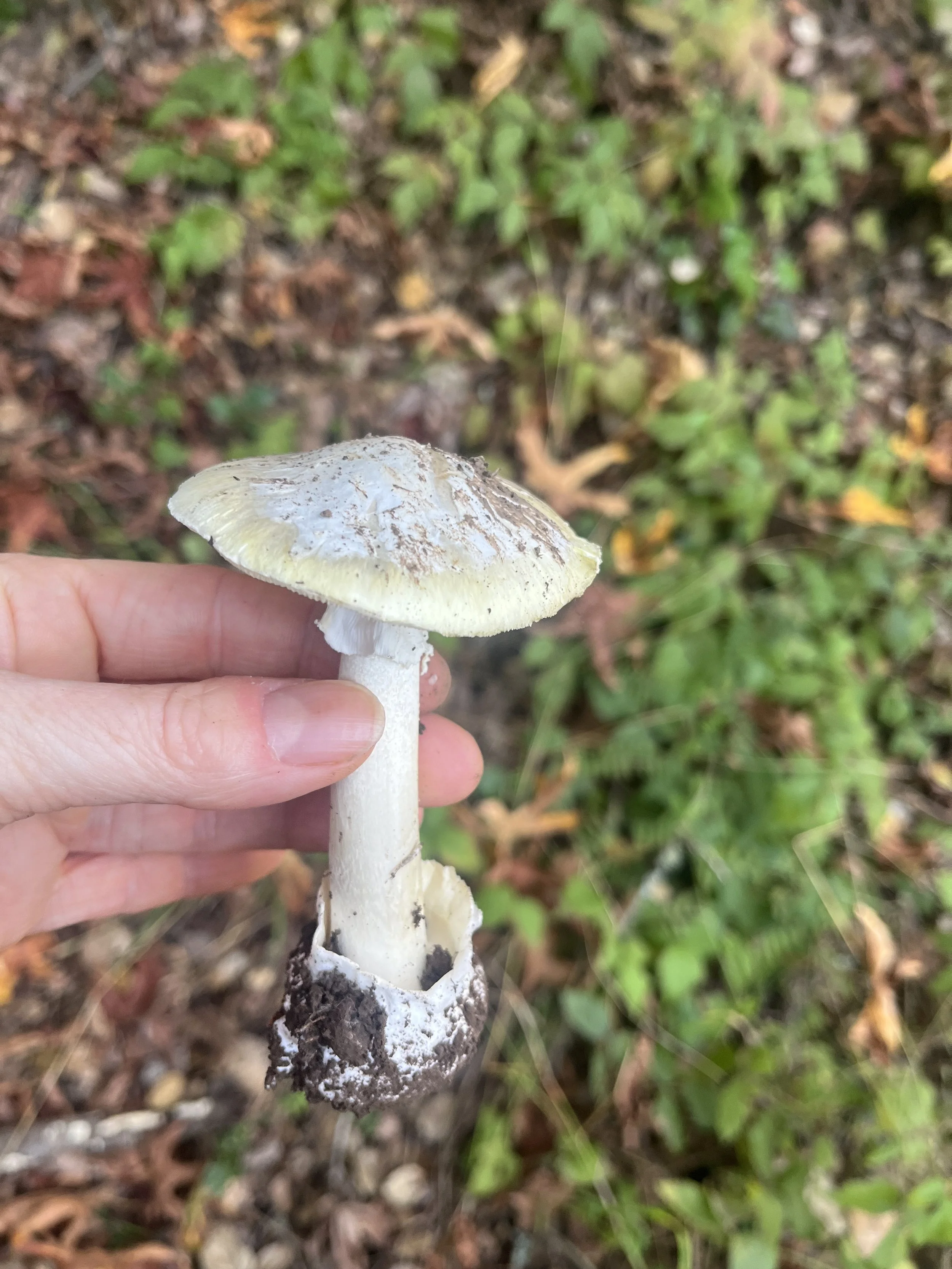
The media often jumps on opportunities to heighten mycophobia (fear of mushrooms), and this case is no different. However, the existence of Amanita phalloides is not new information. There is not reason to be more concerned now than before. The best thing to do is to empower yourself with knowledge. Amanita phalloides is a mushroom that every forager should know well! Here’s how you identify it:
Cap: yellow-green cap color, sometimes has a brittle white patch on top, but not always
Gills: white, and all the same length
Stem: often has an annulus (also called a ring or skirt,) but not always, as it can fall off due to weathering
Base: bulbous white tissue (volva) that you must dig out of the ground to be able to see.
You can safely smell it, touch it, and you can even do a nibble-spit test (which we don’t recommend with this mushroom, BUT it supposedly tastes quite good, which tells you that just because a mushroom tastes good does NOT mean it’s edible!) You should never, ever ingest it. There are human and animal fatalities every year from this mushroom around the world.
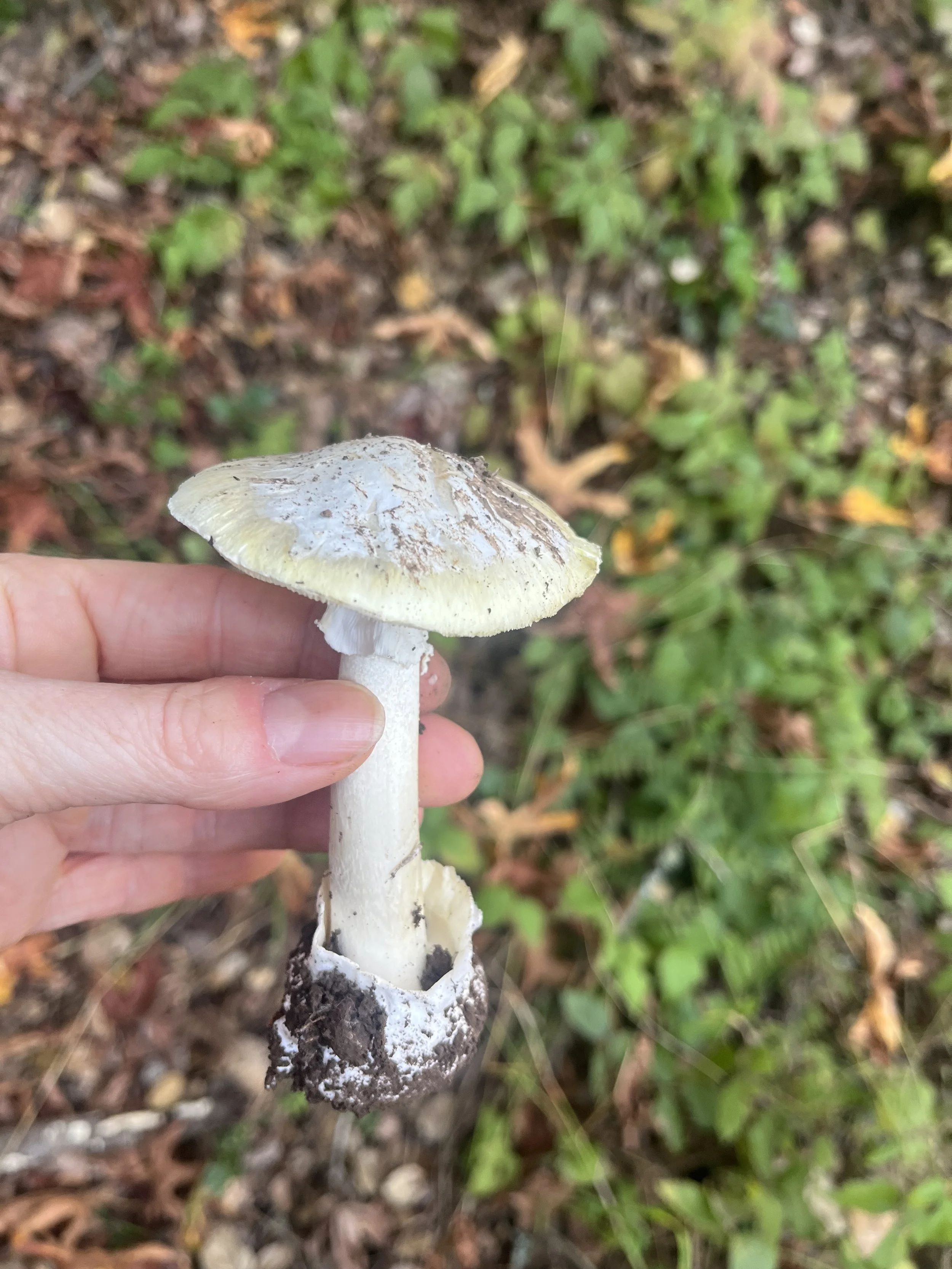
Pictured: Amanita phalloides (Death cap)
If we see it at any of our classes, we will most certainly emphasize it. Please be reassured that our highly trained guides will never send you home with a toxic mushroom, and in fact, we don’t recommend that beginners eat any mushrooms in the genus Amanita.
For all foragers, the essential rule is: When in doubt, throw it out, meaning, if you aren’t 100% sure what you have, DON’T eat it. But especially when you are a beginner, we recommend cross-referencing any new mushroom you’re learning with at least three of these sources so you can really get to know it:
1) A highly trained guide (such as one of Fork in the Path’s instructors)
2) A guidebook (like Mushrooms of the Redwood Coast)
3) An app (we recommend iNaturalist)
4) An online resource (like MycoWeb)
5) An identification group (like the California Mushroom Identification Forum on Facebook)
Every year, different species of mushrooms have good years when they are out in greater numbers. While we see Amanita phalloides every year, it is having an extra good year, which could have contributed to the uptick in cases. However, there are additional factors impacting the communities where these cases occurred that could be contributing to food insecurity.
Although we do not know all the details of these recent and unfortunate cases, we feel it is important to take the opportunity to reflect on the ways that socio-political circumstances can intersect with the work that we do, and thus strengthen our mission of fostering curiosity, reciprocity, and understanding of the natural world in our wider community.
In light of this, we are offering two free classes in Spanish on edible and poisonous mushrooms of California, and would appreciate your help in spreading the word:
Clase Gratuita Online en Español: Domingo, Dec 28th 5:45 pm - registraté aquí
Clase presencial gratuita: Roseland Libraria en Santa Rosa, Jan 7th 5:45 pm en Español y 6:45 pm in English (no registration required)
Please help us spread the word! You can also help by contributing to our scholarship fund for low-income community members to come learn with us. We’ve raised $2500 so far, and our goal is to raise $20,000 and be able to give away 2 spots in 100 classes.
We hope to see you at an upcoming class soon.
Update: It has come to light that the majority of folks hospitalized were experienced foragers from another country. What’s important to highlight here is that these folks thought they had made an identification of an edible mushroom they knew well in their home country. Mushrooms can have similarities across different geographic regions, but they are not necessarily the same. So the lesson for all of us is that even if you know mushrooms well in your own region, you cannot assume similar-looking mushrooms outside your region are the same!
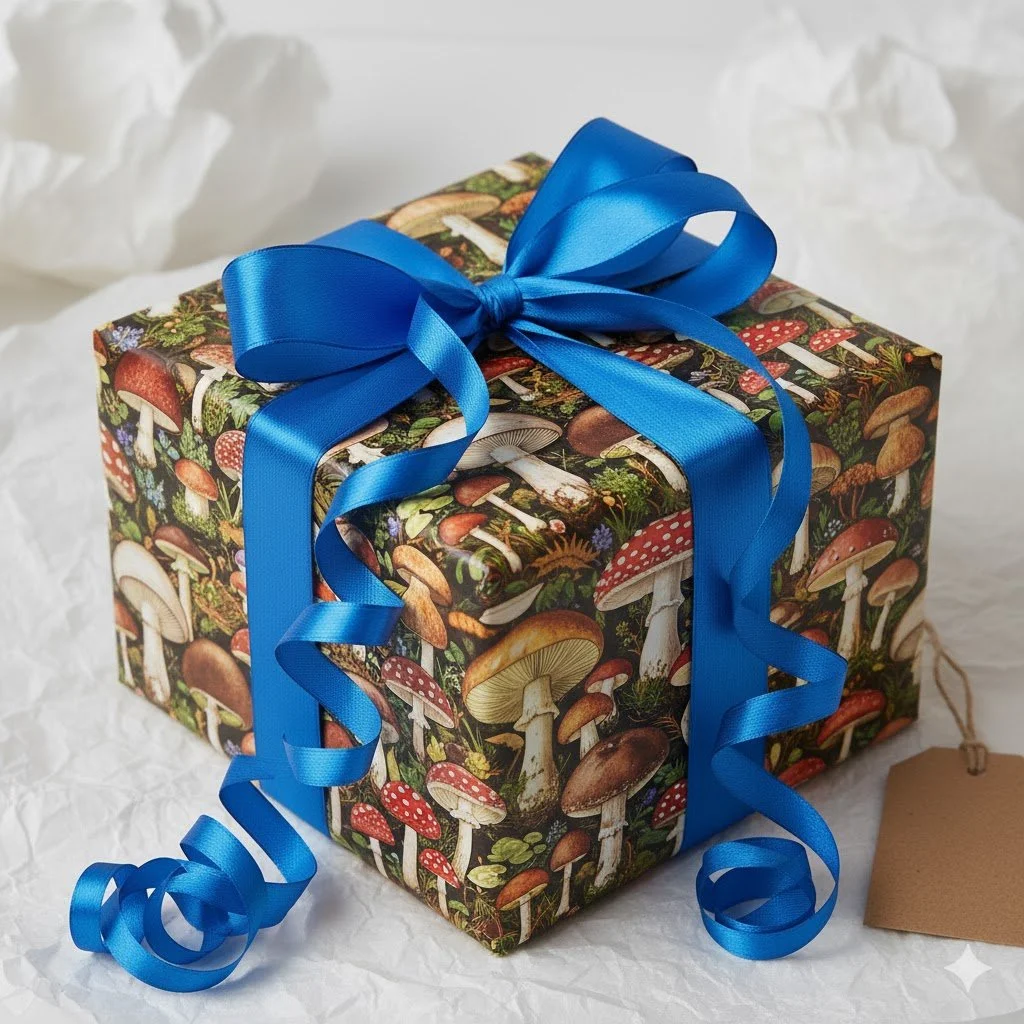
Top 19 Gifts for Foragers in 2025
From classes to accessories, to tasty treats, we’ve got so many fun holiday gift ideas for foragers.
The Ultimate Holiday Gift Guide for the Forager in Your Life 🎁🌲🍄
Fork in the Path’s teaching team put together their favorite recommendations for you in the spirit of sustainable harvesting, culinary experimentation, and deep connection to the land, from the forest to the ocean. From essential tools to gourmet wild-sourced goods and ways to give back, you'll find unique items that support small businesses and fuel their passion. Let’s celebrate our love for everything wild and wonderful.
1. Gift or Donate a Foraging Class
Fork in the Path foraging class gift cards are a great way to show love or appreciation to someone in your life, such as friends, partners, family, and employees. Send them mushroom foraging, mussel harvesting, learning about medicinal plants, or how to cook wild-harvested foods! Donating a foraging class to a low-income community member is a profoundly personal gift. It shows your passion connection with the land, and giving back to the community. Fork in the Path’s goal for 2026 is to give away two spots in every class to low-income community members next year. Thank you for considering contributing to our scholarship fund!
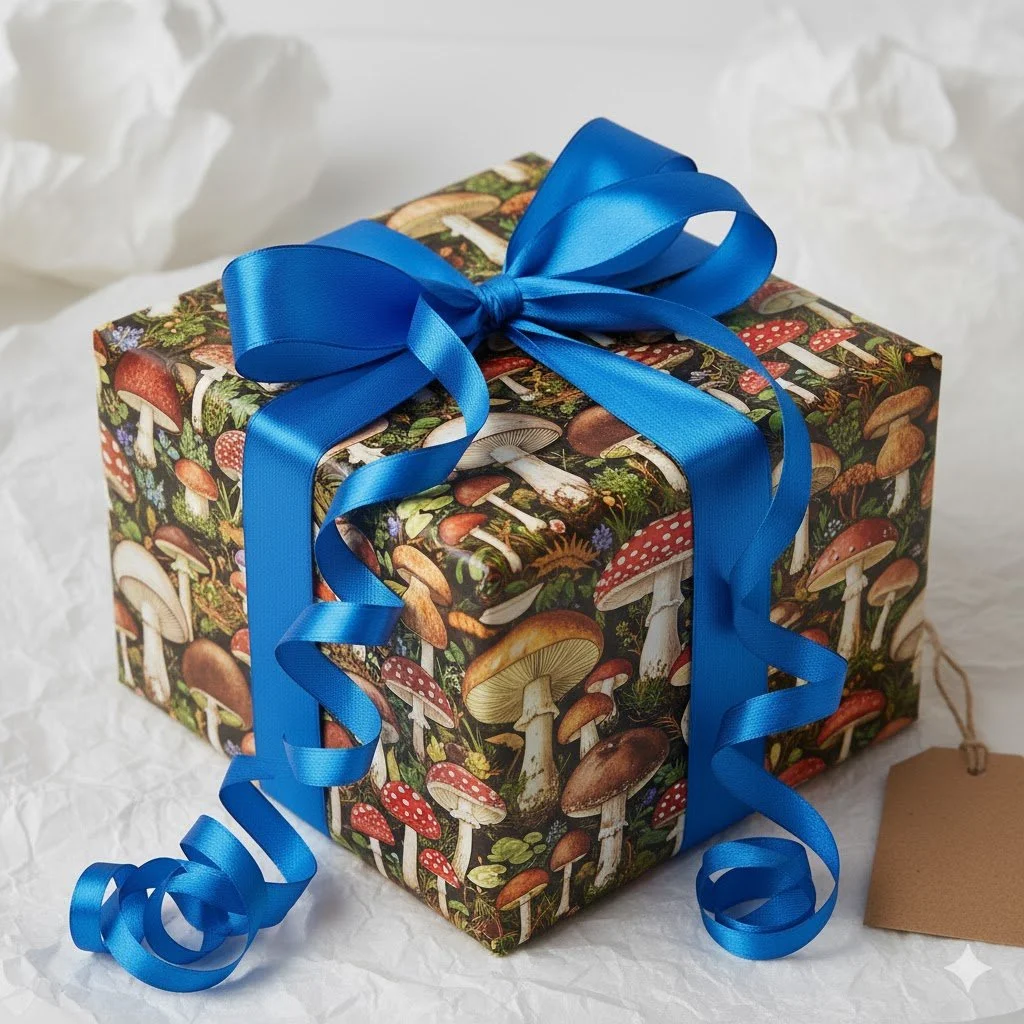
Price: $25-$1000
2. Handmade Pine Needle Earrings
Wear the forest! These beautiful earrings are made from foraged California pine needles. They are handrafted by fiber artist and Fork in the Path instructor Abeni Pierson.
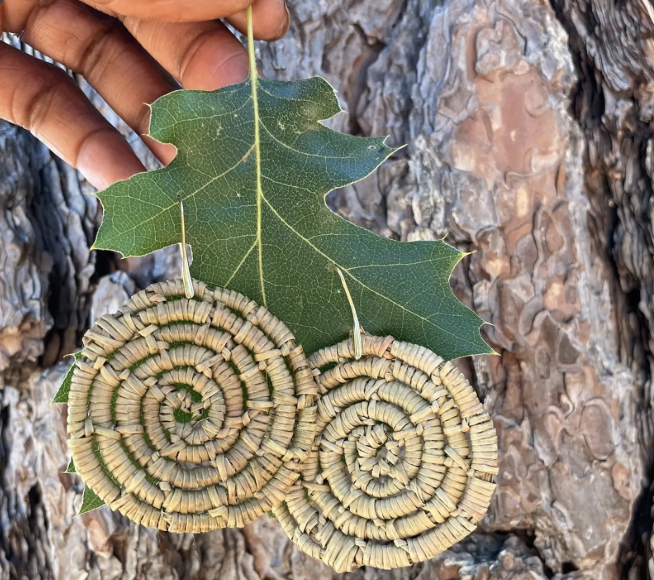
Price: $60+ shipping
3. “Bacon” Bits (from mushrooms!)
Far West Fungi’s Bacon Bits & Jerky are gourmet treats! They are made from organic oyster mushrooms grown on a family farm. They have a savory meaty texture with just enough peppery spice and are perfect for salads or snacking.

Price: $8.75 + shipping
4. A UV Light for Nighttime Foraging Adventures
For the truly adventurous forager, a UV blacklight is a fun and unique tool for hunting fluorescence, which can help reveal things like scorpions or certain fungi at night. Fork in the Path instructor Alan Rockefeller has them for sale at a discount. It has a 365 nanometer LED, zwb2 filter, 18650 lithium battery with charger, durable aluminum housing, weather sealed. He has tried a lot of different UV lights and this is his favorite.
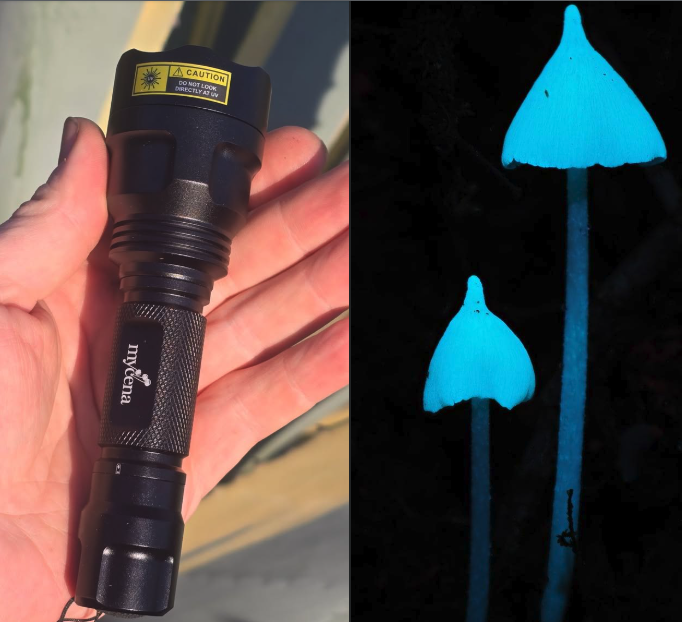
Price: $45 + shipping
5. Healing Salve Made From Foraged Plants
This "powerhouse" healing salve combines Yarrow, Comfrey, and Plantain, foraged or grown by Fork in the Path instructor Christopher's family. Yarrow offers wound healing, anti-inflammatory, and antioxidant benefits. Comfrey aids in wound healing, pain relief, and anti-inflammation, also helping with skin conditions like eczema and psoriasis. Plantain is excellent for healing cuts, scrapes, and insect bites, and has anti-inflammatory and antimicrobial properties.
Price: $10 + shipping
6. The Mushroom Hunter’s Kitchen Cookbook
Chef, forager, and Fork in the Path instructor Chad Hyatt wrote an incredible cookbook you'll want to use again and again. With 120 creative recipes—from appetizers to mushroom-enhanced desserts—plus expert tips for cooking and preservation, this book transforms both foraged and store-bought mushrooms into delicious, memorable meals. A must-have for every mushroom lover!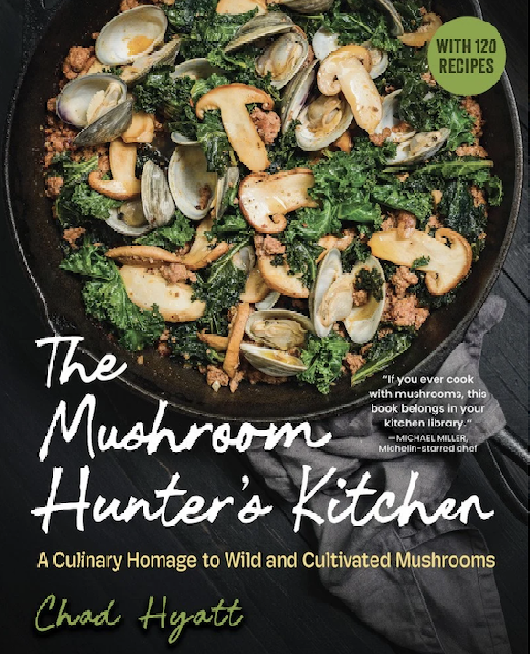
Price: $32.5 + shipping
7. Lion’s Mane Growing Kit
North Spore's best-selling lion's mane kits produce plump, dense, shaggy, delicious mushroom clusters. Lion’s mane is highly versatile and can be enjoyed cooked, dried, extracted, or even steeped as a tea! And because it contains brain-supporting compounds, it’s also a popular medicinal mushroom in addition to a delicious fungi fan favorite. (Meatless crab cakes, anyone?)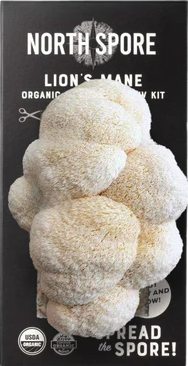
Price: $30+ shipping
8. Handwoven Packbasket
Artist Annie Niedergang designs gorgeous handwoven Mossylog Baskets for foraging, farmer's market, gardening and other adventures. This packbasket is roomy enough for a trip to the forest to gather mushrooms while also being sturdy enough for a visit to the Farmer’s Market. Heirloom quality and crafted with leather straps and brass hardware. Thoughtful details with wood skid feet and a plywood base to protect the bottom. Coated with protective linseed oil for a beautiful shine and durability. 14” tall. Versatile straps allow you to wear it on your back, over the shoulder, or hold it in your hand. 
Price: $295+ shipping
9. Mushroom Guide Books
Mushrooms of the Redwood Coast will help beginning and experienced mushroom hunters alike to find and identify mushrooms, from common to rare, delicious to deadly, and interesting to beautiful. This user-friendly reference covers coastal California from Monterey County to the Oregon border with full treatments of more than 750 species, and references to hundreds more. Written by leading mycologists and Fork in the Path presenters Christian Schwarz and Noah Siegel, this book is a must-have! They also cowrote Mushrooms of Cascadia, and Noah is currently releasing his newest book, Mushrooms of Alaska.

Price: $35 + shipping
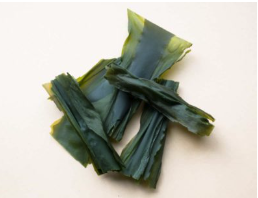
10. Wildcrafted Seaweed Snacks
These delicate, crispy Bull Kelp Fronds from Nature Spirit Herbs are ready to eat as a salty snack. They can also be crumbled and sprinkled on salads, cooked vegetables, rice, popcorn, etc. Of all the seaweeds, Kelp Fronds are the highest in minerals and electrolytes, especially potassium and magnesium. They are also an excellent source of trace elements (including iodine and selenium) and sulfated polysaccharides. Bull Kelp is a Brown seaweed. Kelp Fronds will quickly “ground” the energy of a child who has eaten too much sugar!
Price: $18 + shipping
11. Mushroom Art - Made from Mushrooms!
Taye Bright isn’t just a fantastic educator with Fork in the Path; she’s also a brilliant artist. This piece, “Embrace,” is a homage to the need for support from our web of relations in processing ecological grief. She painted this piece with locally sourced and intentionally made Shaggy Mane (Coprinus comatus) mushroom ink.A 10.5"x13" high-quality color print on 100# paper with a 1" white border around the image. Original, hand-painted ecological art, from the heart.

price: $30 + shipping
12. Give Shuumi
The East Bay is on the traditional lands of the Lisjan Ohlone people. Sogorea Te’ Land Trust is an urban Indigenous women-led organization that facilitates the return of Indigenous land to Indigenous people. Their programming includes rematriation, cultural revitalization, land restoration, and community resiliency planning. Shuumi means “gift” in the Chochenyo language, the first language of the area. It is a voluntary payment that non-Indigenous people living in the area can make to support the Lisjan Nation’s sovereignty work.

Price: $1-$1000
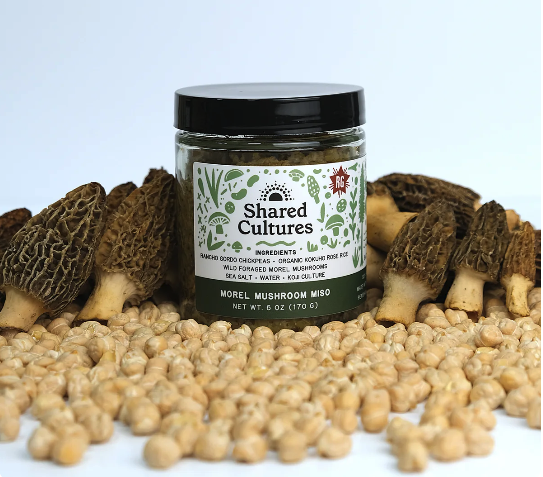
13. Morel Miso
Prized, wild foraged morel mushrooms are fermented with San Francisco-grown koji, Koda Farms' organic heirloom rice, and Rancho Gordo chickpeas to create one of Shared Cultures’s most beloved misos. This miso is savory and has strong notes of a rich, meaty, steak, balanced with delicate notes of umami and butter.
Tasting Notes: Rich, savory, complex.
Ingredients: Rancho Gordo chickpeas, organic kokuho rose rice, wild foraged morel mushrooms, sea salt, water, koji culture.
Price: $20 + shipping
13. Seaweed Soap
Forager and wildcrafter Liz Vermillion makes seaweed soaps. They are scented with Clary Sage and Cypress (to emulate the Monterey Cypress trees) essential oils and naturally colored with Spirulina powder that also provides anti-aging benefits. Ingredients: Foraged Seaweed infusion and puree, Spirulina powder, Olive Oil, Cocoa Butter, Coconut Oil, Avocado Oil, Sodium Hydroxide, Clary Sage, and Cypress essential oils. Topped with herbs from the garden
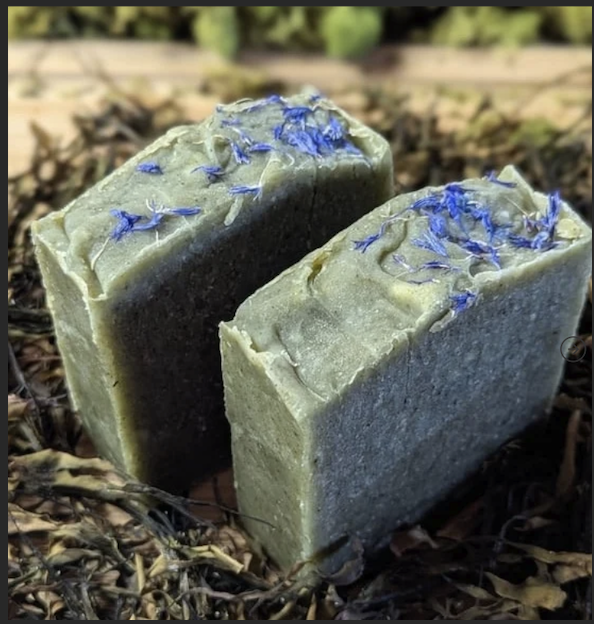
Price: $12 + shipping
14. Sea Urchin Dyed Beanie
Seelie Studio’s artist Margaret makes hand-dyed wool hats from purple sea urchins! These aren’t just beautiful; you’re also supporting restoration projects when you support her art. Purple sea urchins are native to California, but due to rising temperatures and the spread of wasting disease, their natural predator, the sea star, has died off. As a result, their population has exploded, causing the decimation of kelp and abalone habitats.
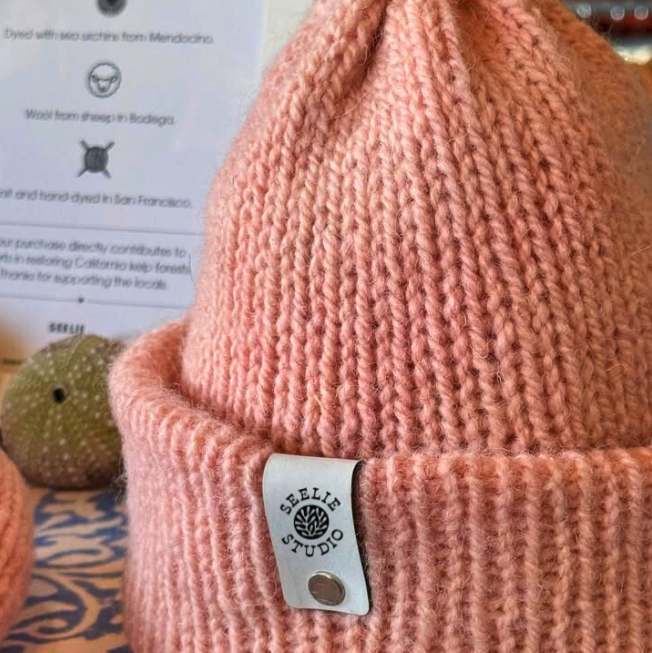
Price: $95 + shipping
15. Subscription to Edible
For the foodie in your life, Edible Magazine leads the conversation about local and sustainable food and drink in communities across the US. Each issue, published quarterly, is filled with recipes and hot tips on local spots you’re going to want to check out. Spend less time on your screen and get a magazine!
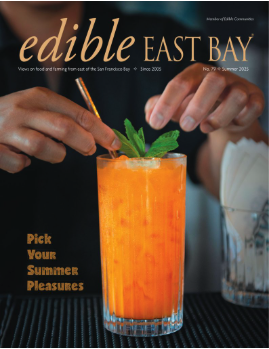
price: $28/year (4 issues)
16. Visit an Abalone farm in Santa Barbara
If you’re traveling to SoCal and you love seafood, you’re going to want to check out the Cultured Abalone Farm.
Because of the overpopulation of urchins (mentioned in #14) we can’t harvest abalone on the California coast anymore. But on a farm tour and tasting, you can see them growing, hold them in your hand and taste them! It’s fun for the whole family.

price: $85
17. Handmade Mushroom Gift Cards
Fork in the Path instructor Sita Davis is a person of many talents. In addition to being an outstanding educator, she’s also an inspiring artist! This season, send a special holiday card with hand-printed Amanita Muscaria mushrooms that the forager in your life will love.

price: $30
18. Wildcrafted Seeds and Grains Book
Fork in the Path instructor and bestselling author Pascal Baudar has just released his latest book, Wildcrafted Seeds and Grains. He introduces us to the most common edible wild seeds and grains around the world. Ever on a mission to demystify foraging practices and processes, Pascal shares his time-tested methods for extraction, storage, handling, and preparation of seeds and grains for culinary use. The book also features 35 of Pascal’s creative recipes, from salads and side dishes to condiments and ferments, crackers and breads to beverages and soups. Complete with Pascal’s beautiful food photography, Wildcrafted Seeds and Grains is a go-to source of information and inspiration for adventurous foragers and foodies who want to incorporate these more elusive wild ingredients into their cooking.
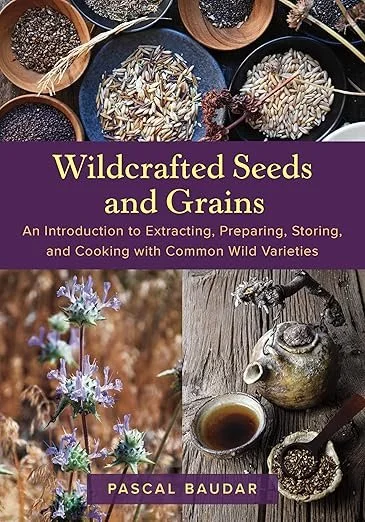
price: $34
19. Pop Up Dinner - Yum
Chefs Jen and Julie have been foraging buddies for decades, and they are both wildly creative in the kitchen! Together, they created Forest and Farm and have been organizing delicious pop-up dinners featuring wild seasonal mushrooms in the most delightful ways. Their next dinner is Dec 29th in Healdsburg, join them for a holiday treat with a loved one.

price: $125
About Fork in the Path
Fork In The Path offers guided foraging experiences in California for the adventurous of all ages. Our transformational programs include foraging, cultivating a relationship with the land, tasting wild food, & community building. Join us on an upcoming adventure soon!


Best California Mushroom Guidebooks
If you love wild mushrooms, you must have these guidebooks. Mushrooms of the Redwood Coast is our top pick.
California has thousands of species of mushrooms to learn. Having the right guidebooks will expedite your learning process. We are very lucky in California to have some incredible resources that we recommend you have in your home library if you are serious about fungi! Try to learn a few new species every time you go out to the forest.
Top Guidebooks for California:
Mushrooms of the Redwood Coast: This comprehensive guide by Noah Siegel and Christian Schwarz focuses on the unique fungal diversity of coastal Northern California, offering detailed descriptions and stunning photographs. This is Fork in the Path’s must-have #1 pick! For mycophiles who also want to learn about fungi in the Pacific Northwest region, the same authors recently published a similar guidebook for that region.

2. California Mushrooms: A definitive guide by Desjardin, Wood, and Stevens, this book provides in-depth information on over 1,100 species, making it an invaluable resource for both beginners and experienced mycologists.

3. Mushrooms Demystified: A classic by David Arora, this book is not California-specific but offers a broad understanding of fungal biology, identification, and ecology. Although many of the names are now outdated, the key in this book is still an excellent resource.

Beyond Books: Online Resources
iNaturalist: This citizen science platform allows you to photograph and share your mushroom finds, connect with other enthusiasts, and receive expert identifications. You can also feel great about contributing to a growing pool of data that is being used by scientists to better understand fruiting patterns at scale and over time. “iNat” was created by Nate Agrin, Jessica Kline, and Ken-ichi Ueda as their master’s project in 2008. Today is a widely used resource by expert mycologists and beginners alike.
MycoWeb.com: This website provides comprehensive information on various fungal groups, including extensive descriptions and images. This site is great if you are wondering “can you eat that?” as every species also has edibility info.
Mushroomexpert.com: A valuable resource with a vast database of mushroom photos, descriptions, and expert discussions created by Michael Kuo.
Why Use Guidebooks?
Accurate Identification: Guidebooks and online resources help you on your journey to learning to accurately identify mushrooms. They should be one source you check to minimize the risk of misidentification.
Safety First: Consuming misidentified mushrooms can have serious health consequences. Guidebooks and online resources emphasize the importance of proper identification and caution.
Enhanced Learning: These resources provide valuable insights into the fascinating world of fungi, including their ecology, life cycles, and ecological roles. The authors have poured their hearts and souls into bringing these resources to life, please take advantage of these incredible resources!
Remember, always prioritize safety when foraging for mushrooms. If you are unsure about the identification of a mushroom, do not consume it. If you want to take a class to learn how to safely identify and consume delicious mushrooms. Check out our upcoming programs here: